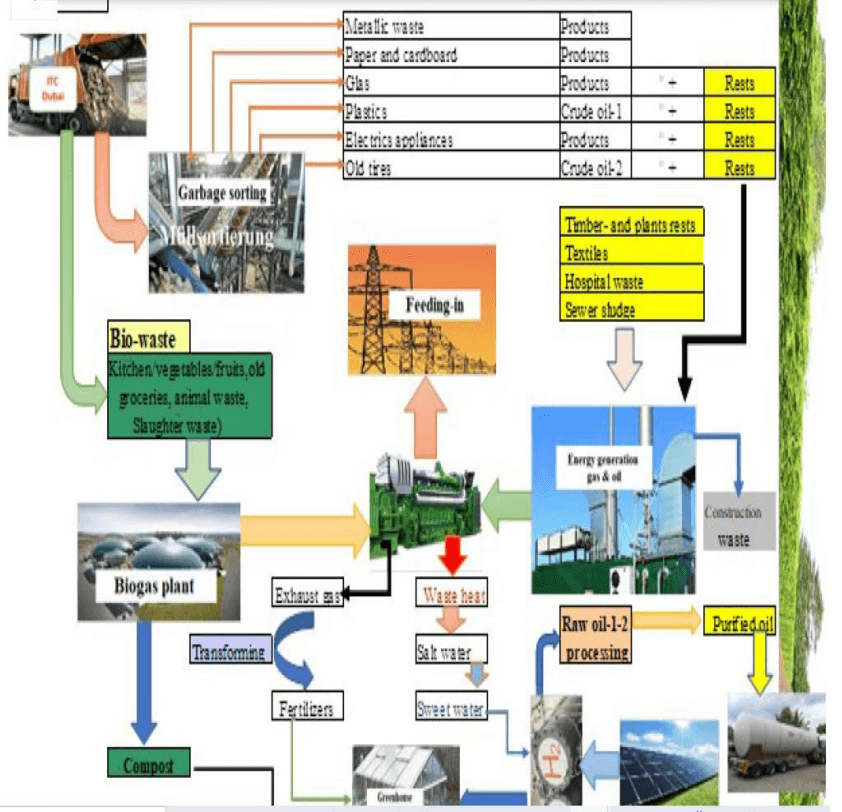
At Madrid Foundation, we are committed to addressing environmental challenges through sustainable solutions. Our Waste to Energy project in Guinea-Bissau is a revolutionary initiative designed to tackle waste management issues while generating renewable energy. This project will transform waste into a valuable resource, creating clean energy and reducing pollution in the region.
The project focuses on converting waste materials into renewable energy, thus addressing both the growing waste problem and the energy deficit. This initiative will also provide long-term employment opportunities, support local economies, and enhance the quality of life for the people of Guinea-Bissau.
The project will be led a highly specialized team working with government to ensure the success of the development and implementation of the project.
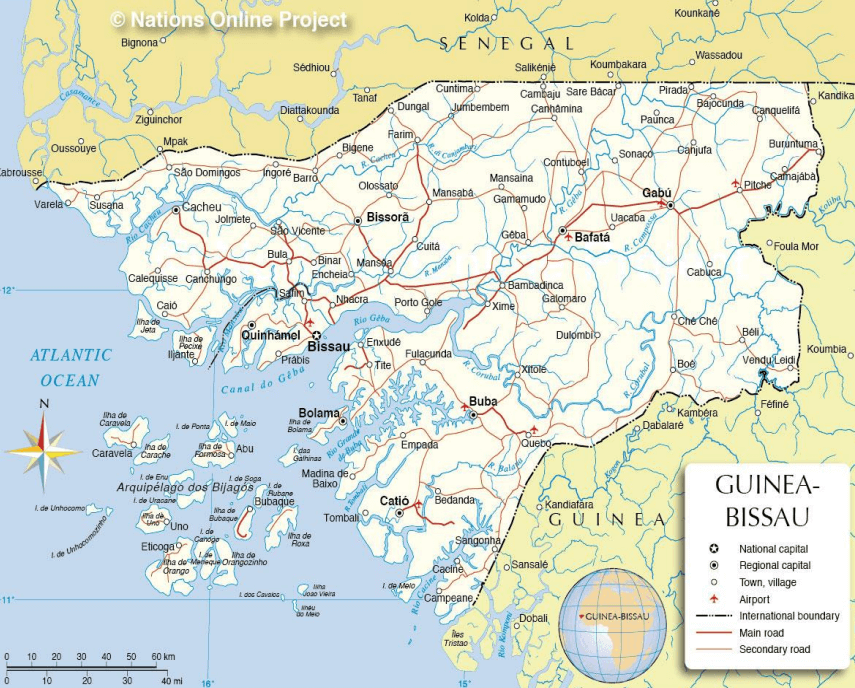
THE PLANTS WILL BE LOCATED AT NHCARA, ANTULA & BABU
1. Nhacara is a city in Guinea-Bissau in the Oio Region is eight (8) miles (13 km) North-East of Bissau, the capital of the country. Oio is a coastal region.
2. Reino de Antula in Guinea-Bissau is 3 miles (4km) North of Bissau the capital. Reno de Antula is found on local maps.
3. Buba is the largest city in southern Guinea-Bissau is 72 km / 223.3 km road distance South-East of Bissau and is in the Quinara Region, lying on the Rio Grande de Buba, near the Contanhez National Park.
Modern Deepwater ports are planned for Bissau and Buba.
1. Significant investment into the company.
2. Employment opportunities for at least 930 persons.
3. Training opportunities.
4. Boost for the energy sector.
5. Enhancement of waste management for the country.
6. Reduced in health care cost.
7. Revenue opportunities.
The total waste is estimated at 1,000 tonnes per day as noted above for the country at this stage.
Area of coverage: Bissau, Nhacra, Antula, and other Northern parts of Guinea-Bissau
Bissau (based on the 2021 updated figures given by the government) produces 470 tonnes per day, and plant capacity is 350 tonnes per day, which is an excess of 120 tonnes per day. This facility will be managed by the two plants in Nhacra (8 miles from Bissau) with a capacity of 700 tonnes per day. The plants to be constructed in Nhacra and Antula will also address additional waste for the hospital and staff housing proposed for Nhacra (in the current overall proposal package) and the housing proposed for Antula and Nhacra in the future, in addition to other Northern parts of the country.
Nhacra is eight (8) miles (13 km) North-East of Bissau, the capital of the country, Bissau.
Reino de Antula in Guinea-Bissau is 3 miles (4km) North of Bissau, the capital, Bissau. Reno de Antula is found on local maps.
Area of coverage: Buba and the Southern parts of Guinea-Bissau. May possibly also cover the bordering states.
Buba located in the Southern Region is 223 km by road from Bissau which is located in the Northern Region. During his presidency, former President of Guinea-Bissau Musa Yala planned to move the capital city to Buba. Those plans have been dropped since he was deposed in a coup d’état. Given the distance waste management resources must be addressed for the area and by extension the Southern Region.
The current proposal as part of the overall package includes a further 350 bed hospital to be constructed in Buba. With this hospital and other developing plans coupled with the need to reduce or eliminate reliance on landfills a WTE Plant is required.
WTE plant is required here to address waste management and boost electricity output to the area. In addition, the hospital will serve neighboring states such as Guinea-Conakry, Sierra Leone, Liberia, and possibly Mali, in addition to the Southern parts of Guinea-Bissau. From the perspective of the WTE plants, the coverage will also be explored.
At Madrid Foundation, our goal is to make a lasting impact on underserved communities globally. With a foundation built on compassion, collaboration, and dedication, we bring healthcare, education, and essential services to those in need. Our commitment to justice, equality, and community empowerment is reflected in every project and initiative we support.
Copyright© Madrid Foundation USA 2026 | All Rights Reserved